%20rotate(-90)'%3e%3ccircle%20id='Ellipse_7'%20data-name='Ellipse%207'%20cx='2.5'%20cy='2.5'%20r='2.5'%20transform='translate(360.051%208.679)'%20fill='%23ff3000'/%3e%3ccircle%20id='Ellipse_8'%20data-name='Ellipse%208'%20cx='2.5'%20cy='2.5'%20r='2.5'%20transform='translate(360.051%2016.679)'%20fill='%23ff3000'/%3e%3ccircle%20id='Ellipse_9'%20data-name='Ellipse%209'%20cx='2.5'%20cy='2.5'%20r='2.5'%20transform='translate(360.051%2024.679)'%20fill='%23ff3000'/%3e%3c/g%3e%3c/svg%3e)
Zebra was the start—it’s time to reveal the zeals
How healthcare marketers can make rare more common
This decade, we’ve seen unprecedented advancements in rare (ie, diseases, disorders, or conditions affecting fewer than 200,000 people in the US). But if we’re being honest, the goals we set for success are far too small. We celebrate a handful of patients getting diagnosed a little bit sooner or become overly effusive about a physician who publishes about a case they never expected to see in their lifetime; meanwhile, as an industry, we’ve been instrumental in shifting several diseases out of their rare classifications. Why not make THAT a goal? It’s not about finding a single zebra but the herd, the zeal. Healthcare marketing should be working toward making “rare” less rare. We need to place our sights on monumental wins vs accepting crumbs that are as small as the populations we hope to impact.
Seek “breakout” collaborations
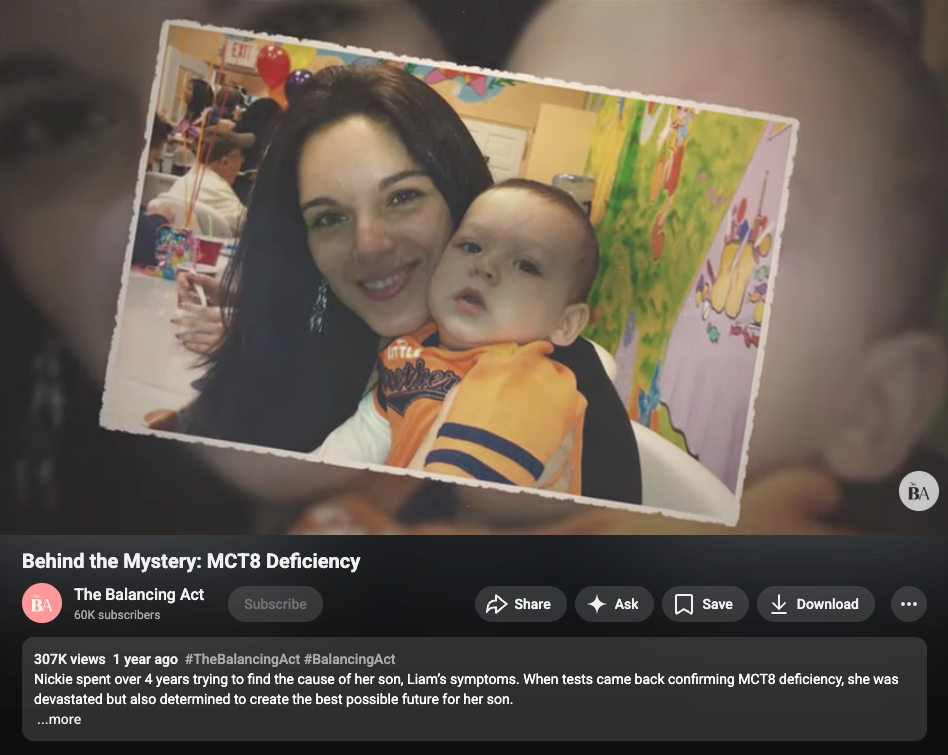
The dusty rare disease playbook tells us to play it safe and focus on highly specific audiences in “cost-effective” channels. To make rare more common, we need to seek out allies and partnerships that can help us expand engagement. Lead with human stories and powerful voices. The collaboration between Egetis Therapeutics and Behind the Mystery™, a television series exclusively dedicated to raising global awareness about rare and genetic diseases, is a prime example of how organizations can break out from the rare disease mold and go for bigger, bolder communications.
What made this collaboration so effective was a built-in audience interested in human stories, the raw emotional journeys of families facing an MCT8 deficiency diagnosis, and an unfiltered eye into the tireless efforts of a medical care team. In addition to on-air views, the show had an uncanny following on social media and YouTube, giving this episode mass attention by any measure.
Be bold and execute like the masses are engaging
(Because if you do “rare” right, they can be)
The instinct of many brand owners is to treat creative as a luxury vs a necessity; when in reality, the demand for creative should be heightened in rare disease ecosystems where each interaction carries a greater weight to it because it represents a larger percentage of these already smaller populations of affected people. Beautiful photography that elevates the authenticity of patients, a thoughtful user experience that builds ease all along the caregiver journey, and good ol’ standout creativity should be a priority to give the attention these underserved populations deserve.
Regardless of the condition, the population, or the size of your client’s ask, there’s one thing we can all do, especially during Rare Disease Month: be brazen and unapologetic in the way we show up for the rare disease community. We can make a sizable impact as marketers and take advantage of every opportunity, not only to advance medicine but also to help the zebras in finding their zeal.